Funny Wildebeest Embroidery Design Review
As a designer who spends half my day digitizing and the other half testing files on actual machines, I have learned that charm is not enough. A design must be technically sound, visually balanced, and versatile enough to survive the rigors of real-world application. When I first loaded the Funny Wildebeest Embroidery Design into my software, I was looking for more than just a cute animal motif. I wanted to see if this piece could hold its own in a commercial setting, whether on a boutique sweatshirt or a high-traffic kitchen towel.
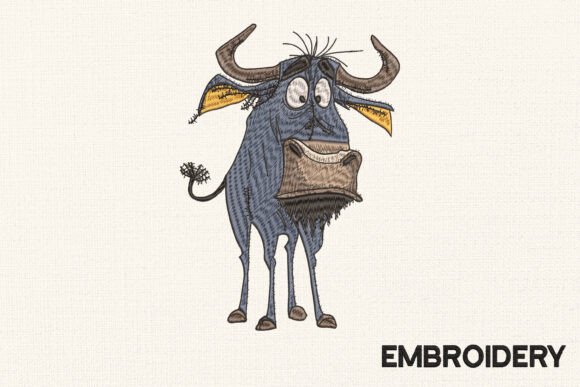
The initial impression is one of playful personality. The silhouette captures the distinct, slightly awkward elegance of the wildebeest without getting bogged down in hyper-realism. For those of us working in the Wild Animals category of Embroidery, striking the balance between recognizable anatomy and stylized cuteness is difficult. This design leans into the humor of the subject, making it an ideal candidate for projects that require a touch of whimsy. It does not take itself too seriously, which is exactly why it works so well for modern handmade products.
Real-World Application and Versatility
To truly evaluate a machine embroidery design, you have to imagine it stitched out. I recently considered using this file for a custom order involving a set of canvas tote bags for a local nature conservatory fundraiser. The goal was to create items that people would actually want to carry, not just display. The Funny Wildebeest Embroidery Design fit the brief perfectly because it bridges the gap between educational wildlife appreciation and approachable, fun art.
Beyond totes, this design shows significant promise for custom apparel. Imagine it centered on the chest of a heather gray sweatshirt embroidery project. The contrast between the rugged subject matter and the soft, cozy fabric creates a compelling visual tension. It also translates beautifully to baby embroidery projects. On a soft cotton onesie, the simplified lines ensure that the design remains clear even at smaller scales, avoiding the muddled look that plagues overly complex digital files.
For Etsy sellers and small shop owners, versatility is key to inventory management. A single strong design can be adapted across multiple product lines. This wildebeest motif works equally well on home decor items like pillow covers and tea towels. In a kitchen setting, embroidered on a linen towel, it adds a quirky accent that guests notice immediately. It transforms a standard household item into a conversation starter, which is the hallmark of a successful handmade product.
Technical Performance and Stitch Quality
When reviewing any embroidery file, I look closely at stitch types and density. While the specific technical specs such as exact stitch count or file formats are not provided in the brief description, experienced makers know what to look for. Designs intended for varied fabrics usually rely on a mix of satin stitch for outlines and fill stitch for larger areas. If this design uses heavy fill stitches in the body of the wildebeest, it will provide good coverage but may require careful hooping to prevent puckering.
The layout suggests a balanced distribution of thread, which is crucial for maintaining the integrity of the finished product. On stretchy fabrics like jersey knits used for t-shirts, a design with moderate stitch density is essential. If the stitching is too dense, the fabric will pull and distort; if it is too light, the background fabric may show through, ruining the visual impact. I recommend testing this design on scrap fabric similar to your final material to gauge how the threads interact with the weave.
Color selection plays a massive role in how this design performs. Because the subject is a wildebeest, natural browns, tans, and grays are obvious choices. However, do not be afraid to experiment with non-traditional thread colors for a pop-art effect. A bright teal or mustard yellow wildebeest on a neutral background can elevate the design from simple to statement piece. Always check your thread color contrast before running a full production batch.
Navigating Challenges and Fabric Choices
No design is universal, and the Funny Wildebeest Embroidery Design requires thoughtful placement depending on the substrate. For instance, using this on dark fabric requires careful consideration of underlay stitches to ensure the top threads pop. If the design lacks sufficient underlay, the dark fabric may peek through the lighter thread colors, creating a messy appearance.
Curved surfaces present another challenge. If you plan to use this for embroidered patch creation or cap embroidery, ensure the design fits within the constraints of your hoop size. Small details can get lost or distorted on the curved crown of a baseball cap. Similarly, when working with textured fabrics like terry cloth towels, the intricate parts of the design might sink into the pile. Using a cut-away stabilizer can help provide the necessary support to keep the stitches raised and visible.
Be cautious with very thin fabrics. Without proper stabilization, the weight of the embroidery can cause the garment to sag or tear over time. For delicate items, consider using a lightweight fusible stabilizer and reducing the machine speed to minimize needle heat and fabric stress.
Commercial Viability and Branding
For creative entrepreneurs, the value of a design lies in its ability to drive sales. This wildebeest design has strong giftability factors. It appeals to a wide demographic, from parents looking for unique personalized gift options to adults who appreciate humorous wildlife art. Its distinct character helps in building brand consistency for shops that focus on quirky, nature-inspired goods.
When creating printable mockup images for your online store, this design photographs well due to its clear shapes and expressive features. High-quality visuals are critical for digital embroidery file sellers and those selling physical goods. A clear, engaging image can significantly boost buyer engagement and trust.
Before listing any items made with this design, always confirm the licensing terms. Whether you are selling commercial embroidery services or physical goods, understanding the rights associated with the design assets is crucial. Ensure that the license allows for commercial use if you intend to sell the finished items. This protects your business and respects the original creator's work.
Final Designer Notes
To get the best results from the Funny Wildebeest Embroidery Design, start with a test run. Use scrap fabric that matches your final project in weight and texture. Check the alignment and tension settings on your machine. Inspect the small details after stitching to ensure clarity. If any areas look sparse, consider adding a backing or adjusting the stabilizer type.
Compare the design on both light and dark backgrounds to determine the most effective thread palette. Remember that what looks good on screen may behave differently under the needle. By taking these practical steps, you can ensure that every embroidery project you undertake with this design meets professional standards. Whether for a holiday gift, a boutique product, or a personal keepsake, this wildebeest brings a smile and a sense of crafted quality to any item it adorns.