Review: Western Fashion Embroidery Design for Makers
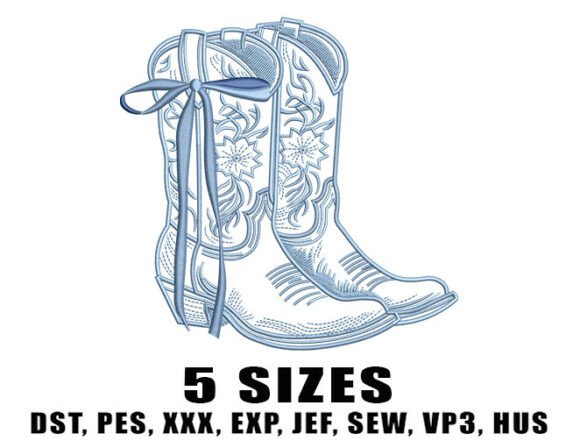
As a designer who has spent countless hours digitizing and stitching out patterns, I approach every new machine embroidery design with a mix of curiosity and caution. We have all been there: you download a file that looks stunning on the screen, only to find it puckers the fabric or loses its charm once the needle hits the cloth. Today, I am taking a close look at the Western Fashion Embroidery Design, specifically the cowboy boots motif featuring delicate floral details and elegant ribbon ties.
This is not just about whether the design is pretty. It is about whether it works in the real world of craft businesses, Etsy shops, and custom client orders. Let us break down how this piece performs when moved from a digital preview to a tangible, stitched reality.
First Impressions and Visual Mood
The first thing that strikes me about this embroidery file is its balance. Western themes can often lean too heavily into ruggedness, resulting in blocky, aggressive shapes that lack nuance. However, this design takes a different route. By rendering the classic cowboy boot in a style reminiscent of bluework, it introduces an air of elegance. The inclusion of delicate floral details and ribbon ties softens the silhouette, making it versatile enough for both rustic and refined aesthetics.
For a designer, this visual personality is crucial. It suggests a mood that is nostalgic yet fresh. It does not scream "costume party"; instead, it whispers "boutique quality." This distinction matters immensely when you are creating products for customers who value subtlety and craftsmanship over loud graphics.
Real-World Application: From Screen to Stitch
To truly evaluate a design, I imagine it on actual products. I recently considered using a similar aesthetic for a custom order involving a canvas tote bag. The Western Fashion Embroidery Design would be an excellent candidate for this type of tote bag design. The structured shape of the boot provides a strong focal point, while the floral elements add a layer of intricacy that invites closer inspection.
Beyond totes, consider sweatshirt embroidery. A crewneck sweatshirt in a neutral tone, such as heather grey or cream, would allow the bluework-style stitching to pop without overwhelming the garment. The design’s layout seems well-suited for left-chest placement, where it can serve as a subtle brand marker or a personalized accent. For custom apparel like denim jackets, the contrast between the rugged denim texture and the delicate ribbon ties creates a compelling visual tension that buyers love.
It is also worth noting the potential for baby embroidery. While cowboy boots might seem masculine, the floral and ribbon elements soften the theme significantly. Placed on a onesie or a baby blanket, it becomes a charming, gender-neutral option for nursery decor or shower gifts. However, scale is key here. You must ensure the design is resized appropriately so that the fine details do not become lost on smaller garments.
Technical Considerations for Stitching Success
Every designer knows that a pretty picture does not always equal a stable stitch. When working with this type of digital embroidery file, there are several technical factors to monitor.
- Stitch Density: Designs with intricate details like ribbons and flowers often require careful management of stitch density. If the density is too high, you risk fabric puckering, especially on lighter materials. If it is too low, the design may look sparse and unfinished. Always check the density settings in your software before hitting start.
- Fabric Texture: This design features fine lines. On highly textured fabrics like terry cloth or heavy wool, these details might get lost. It performs best on smooth or moderately textured surfaces like cotton, linen, or polished denim.
- Stabilizer Choice: Given the potential for detailed fill stitches and satin work, using the correct stabilizer is non-negotiable. For stretchy fabrics like jersey knits used in t-shirts, a cut-away stabilizer is essential to prevent distortion. For woven fabrics like aprons or pillow covers, a tear-away might suffice, but test first.
- Thread Colors: The description mentions a classic bluework style. To achieve this look, stick to monochromatic or limited palettes. High-contrast thread colors can highlight the structure, while tonal variations can emphasize the depth of the floral details.
Where to Use Caution
While this design is versatile, it is not universal. I would advise caution when applying it to curved surfaces like caps. The intricate ribbon ties and floral corners may not lay flat on the stiff, curved front of a baseball cap unless the design is specifically digitized for headwear. Similarly, avoid placing it on areas subject to frequent friction, such as the knees of children’s pants, as the delicate satin stitches may snag or wear down faster than robust fill stitches.
Also, be mindful of hoop size. Ensure the design fits comfortably within your hoop with adequate margin for stability. Trying to squeeze a large, detailed design into a small hoop can lead to registration errors and poor stitch quality.
Commercial Value and Brand Consistency
For Etsy sellers and small shop owners, the perceived value of a product is tied directly to its presentation. A well-executed embroidered patch or appliqué using this design can elevate a simple item into a premium handmade product. Customers are increasingly drawn to items that tell a story, and the blend of western heritage with floral elegance offers a unique narrative.
When creating printable mockup images for your online store, ensure that the lighting highlights the texture of the stitches. This helps convey the quality of the finished product to potential buyers. Consistency in using this design across your product line—such as on matching tea towels, aprons, and tote bags—can help establish a recognizable brand identity.
Final Designer Notes
Before committing to a large batch of commercial embroidery projects, always run a test stitch on scrap fabric identical to your final material. Check for thread breaks, nesting, and overall clarity. Verify the license terms of the design assets to ensure you are compliant for commercial use. If the file format or specific stitch count is not clearly provided, reach out to the creator or check the documentation thoroughly.
The Western Fashion Embroidery Design is a strong contender for makers looking to add a touch of sophisticated western charm to their repertoire. With proper preparation and attention to detail, it can become a staple in your collection of reliable, beautiful designs.