Reviewing the Cozy Fall Cowboy Embroidery Design
As an embroidery designer who has spent years digitizing files and consulting with small business owners, I approach every new machine embroidery design with a critical eye. It is not just about whether a pattern looks cute on a screen; it is about how it translates to fabric, how it holds up in production, and how it serves the brand identity of the client using it. Recently, I took a close look at the Cozy Fall Cowboy Embroidery Design, specifically reviewing its potential for commercial use in small business merchandise and branded patch applications.
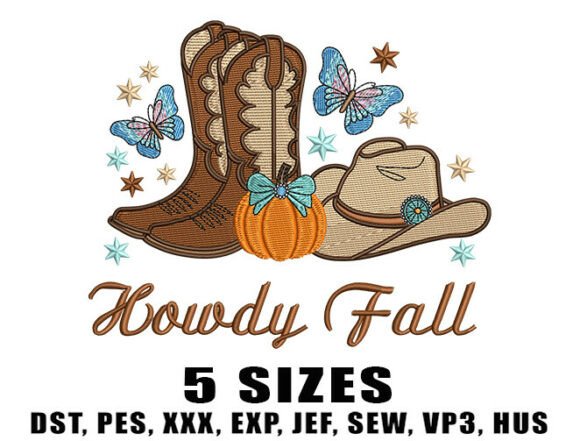
This particular file, often categorized under seasonal Freebies or low-cost digital assets, promises to bring southern charm to fall projects. The description highlights a "Howdy Fall" theme featuring cowboy boots, which immediately signals a rustic, friendly aesthetic. But does it work for professional branding? Let us break down the visual personality, practical application, and technical considerations for this digital embroidery file.
Visual Personality and First Impressions
The first thing that strikes you about the Cozy Fall Cowboy Embroidery Design is its approachable warmth. It does not try to be ultra-modern or minimalist. Instead, it leans heavily into a playful, handmade vibe. For brands that rely on a sense of community, hospitality, or rustic elegance, this is a strong asset. The imagery of cowboy boots paired with autumnal motifs suggests a narrative of comfort and tradition.
However, from a design review standpoint, we must assess if this playfulness compromises professionalism. In my experience, this style works exceptionally well for boutique coffee shops, local bakeries, florists, and pet brands that want to appear friendly rather than corporate. It feels decorative and inviting. If your brand identity is built on high-end luxury or stark industrial minimalism, this design might clash. But for most small businesses looking to add personality to their custom apparel, it hits the right note of casual sophistication.
Real-World Business Applications
When evaluating a design for commercial use, I always ask: where will this live on the product? The Cozy Fall Cowboy Embroidery Design is versatile, but it shines in specific areas. Here is how I would recommend deploying it for maximum impact:
- Embroidered Patches: This is perhaps the strongest use case. A patch allows you to control the background fabric and stabilizer perfectly. You can create a run of these patches for staff uniforms or sell them as standalone accessories. The defined shapes of the boots and text likely translate well to a merrowed edge patch.
- Apron Embroidery: For cafes and boutiques, staff aprons are walking billboards. Placing this design on the chest pocket area adds a seasonal touch without overwhelming the uniform. It reinforces the "homey" feel customers expect in the fall.
- Tote Bag Design: Canvas tote bags are a staple for retail shops. The rustic nature of the cowboy theme pairs naturally with natural cotton or canvas textures. Ensure the design is scaled correctly so it does not look lost on a large bag.
- Cap Embroidery: While possible, cap fronts are curved and unforgiving. This design would work best on unstructured dad hats where the fabric has more give. Avoid using it on stiff, structured caps unless the digitizing is optimized for high curvature.
- Product Packaging Accents: Consider stitching this onto small fabric tags attached to handmade products. It elevates the perceived value of the finished product and creates a memorable unboxing experience.
Technical Considerations for Production
Before you load this embroidery file into your machine for a large batch, there are critical technical factors to review. Since the exact stitch count and specific hoop size recommendations are not detailed in the brief description provided, you must proceed with caution. Always check the included documentation for the five available sizes to ensure they match your hoop capabilities.
Stitch density is a major concern with any design featuring text and filled shapes like boots. If the density is too high, you risk puckering, especially on lighter fabrics. If it is too low, the backing fabric may show through. I recommend running a test stitch-out on a scrap piece of the exact fabric you intend to use. Pay close attention to the lettering in "Howdy Fall." Small text can easily become illegible if the stitches merge together.
Additionally, consider the thread colors. The design likely relies on contrast between the boots and the text. When working on dark uniforms, such as navy or black staff shirts, you may need to adjust the thread palette to ensure visibility. A white or cream thread for the text might be necessary to maintain readability against dark backgrounds. Always use a proper stabilizer; for items like tote bags that undergo frequent washing, a cut-away stabilizer is often safer than tear-away to prevent distortion over time.
Brand Identity and Customer Trust
Why does the choice of embroidery matter for brand identity? Consistency builds trust. When a customer sees the same high-quality Cozy Fall Cowboy Embroidery Design on your apron, your tote bags, and your social media printable mockup images, it creates a cohesive visual language. It signals that you pay attention to detail.
Using a well-executed design like this can increase the perceived value of your small business merch. Customers are often willing to pay more for items that feel handcrafted and unique compared to mass-produced screen prints. However, this only works if the execution is clean. Loose threads, misaligned hoops, or poor color choices can damage your reputation. Treat every embroidered item as a reflection of your brand’s quality standards.
Practical Designer Notes for Implementation
To ensure success with this design, follow these practical steps before committing to full production:
- Test in Black and White: Before selecting your final thread colors, stitch the design out in black thread on white fabric. This helps you see the structure and spacing without the distraction of color. It reveals if any details are too small or if lines are too close together.
- Check Scalability: The product mentions five sizes. Test the smallest size to ensure the text remains legible. If the smallest size blurs the letters, do not use it for items where clarity is key, such as name tags or small patches.
- Fabric Texture Matters: Test on the actual fabric texture you will use. Terry cloth, denim, and canvas all behave differently. A design that looks perfect on poly-cotton might sink into a fluffy towel or pucker on thin silk.
- Create Client Mockups: If you are designing for a client, create a realistic printable mockup or digital composite showing the design on their specific garment. This manages expectations and allows for approval before you waste thread and time.
- Verify Licensing: Even if a design is listed under Freebies, always read the license terms. Confirm that commercial use is permitted. Some free files are for personal use only, which would prohibit you from selling items made with this design asset.
In conclusion, the Cozy Fall Cowboy Embroidery Design is a charming addition to your library of commercial embroidery resources. It offers a distinct seasonal flair that can enhance brand recognition for businesses leaning into rustic or friendly aesthetics. By respecting the technical limitations of machine embroidery and carefully considering placement and fabric choice, you can transform this digital file into a tangible asset that drives customer engagement and sales. Remember, the best designs are those that not only look good but also perform reliably in the real world.