Review: Happy Holidays Hamster Embroidery Files
As a designer who has spent countless hours staring at digitized paths and testing tension on various fabrics, I approach every new machine embroidery design with a mix of curiosity and caution. The market is flooded with generic holiday motifs, so when I downloaded the Happy Holidays Hamster Embroidery Files, I was looking for more than just a cute animal. I wanted to see if this applique design had the structural integrity and visual charm to hold up in a real-world commercial setting.
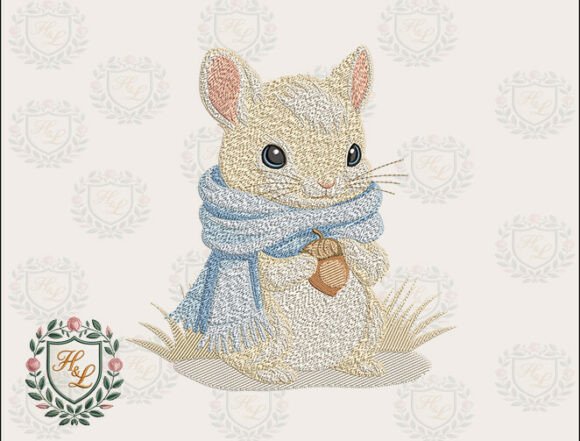
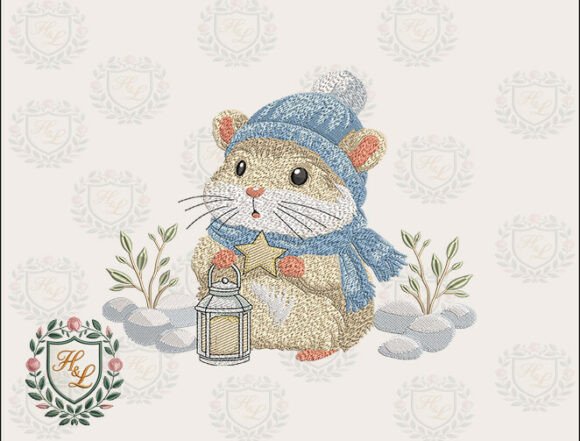
My first impression was one of whimsical warmth. The layout strikes a balance between playful character detail and clean, manageable stitching. For those of us running small shops or creating personalized gifts, the mood is crucial. This design doesn’t scream "cheap novelty"; instead, it offers a cozy, handcrafted feel that fits perfectly into the current trend of nostalgic, nature-inspired holiday decor. The hamster’s posture and the surrounding festive elements suggest a design that was thoughtfully composed, not just auto-digitized from a clipart image.
Real-World Application: The Tote Bag Test
To truly evaluate an embroidery file, you have to take it off the screen and onto fabric. I decided to test this design on a heavy-weight canvas tote bag, a staple item for many Etsy sellers during the holiday rush. The goal was to create a durable, giftable product that could withstand frequent use while maintaining its aesthetic appeal.
The appliqué nature of this design is its strongest asset here. By using fabric patches for the main body of the hamster, you reduce the overall stitch count compared to a full fill-stitch design. This is critical for tote bags because excessive stitching can cause puckering on large, flat surfaces. The satin stitch borders were crisp and defined, laying flat against the canvas without pulling the material. When I stepped back, the finished product looked professional. It didn’t look like a home hobbyist’s first attempt; it looked like a boutique item ready for a craft fair display.
This versatility extends beyond totes. I can easily envision this working as sweatshirt embroidery on the left chest area, where a smaller, detailed motif adds value without overwhelming the garment. For baby embroidery projects, such as a soft fleece blanket or a onesie, the soft curves of the design are gentle and appealing. However, for baby items, I would recommend scaling it down slightly to ensure it remains proportional to the smaller garment size.
Navigating Fabric and Hoop Constraints
While the design is robust, it is not without its technical demands. Any experienced embroiderer knows that stitch density and fabric texture play a massive role in the final outcome. Because this is an appliqué, you are dealing with multiple layers: the base fabric, the stabilizer, the appliqué fabric, and the tack-down stitches.
If you are working with thin or stretchy fabrics, such as jersey knits for t-shirts, proper stabilization is non-negotiable. I recommend using a cut-away stabilizer for garments that will be washed frequently, as it provides long-term support. For woven fabrics like linen tea towels or pillow covers, a tear-away might suffice, but always test on a scrap piece first. The running stitch used for placement lines must be precise; if your machine’s tension is off, those fine lines can become messy, ruining the clean look of the appliqué edges.
Another consideration is the hoop size. While the design likely fits standard medium hoops, placing it on curved surfaces like caps requires careful hooping techniques. The bulk of the appliqué fabric can sometimes interfere with tight curves, so I advise practicing on a similar cap structure before committing to customer orders. Additionally, dark fabrics require high-contrast thread colors for the satin borders to ensure the design pops. A white or gold thread on navy blue creates a striking, premium look, whereas low-contrast combinations might make the details get lost.
Commercial Viability and Brand Consistency
For craft business owners and digital product sellers, the question is always about return on investment. Does this design add value? In my assessment, yes. The Happy Holidays Hamster Embroidery Files offer a unique niche. It is specific enough to stand out in a sea of generic snowflakes and trees, yet broad enough to appeal to a wide audience.
When creating listings for your online shop, the visual appeal of this design translates well into printable mockups. The clear shapes and distinct colors make it easy to showcase in digital previews, helping potential buyers visualize the finished product. Whether you are selling physical custom apparel or offering this as part of a bundle of design assets, the professionalism of the digitizing builds customer trust. Buyers can spot poorly digitized files from a mile away—gaps in satin stitches, jagged curves, or excessive thread jumps. This design avoids those pitfalls, presenting a polished look that enhances your brand’s reputation.
However, always verify the licensing terms included with your download. Most commercial embroidery designs allow you to sell finished physical items, but restrictions may apply to reselling the digital file itself or using it in mass production. Confirming these details ensures you stay compliant while growing your small shop product line.
Practical Designer Notes for Best Results
Before you start stitching your next batch of holiday gifts, keep these practical tips in mind to maximize the quality of your work:
- Test on Scrap Fabric: Never run a new design directly on your final product. Use a similar fabric weight and type to check for registration issues.
- Check Thread Contrast: Ensure your border threads contrast sufficiently with both the appliqué fabric and the base material to highlight the design’s shape.
- Inspect Small Details: Zoom in on your software to check for tiny, unnecessary stitches that might cause breaks or bird nests.
- Use Proper Stabilizer: Match your stabilizer to your fabric. Heavy fabrics need less support, while light or stretchy fabrics need maximum stability.
- Mockup in Black and White: This helps you see the value and structure of the design without the distraction of color, ensuring the shape reads clearly.
In conclusion, the Happy Holidays Hamster Embroidery Files are a solid addition to any designer’s library. They offer a blend of charm and technical reliability that suits a variety of projects, from embroidered patches to festive home decor. By understanding the nuances of appliqué stitching and respecting the material constraints, you can create high-quality, memorable products that resonate with customers. It is a design that invites creativity while providing the structural foundation needed for professional results.